
In November of 2023, I reached a point where I could barely stand myself. Seasonal Affective Disorder was in full swing, and the dreaded anticipation of winter blues had kicked in months earlier in August. Physically and mentally I felt like utter crap. I found myself experiencing a necessary shift toward mental health and well-being. For me, a huge component of that included taking care of my physical health as well. I needed to find something that I could consistently do and stay persistent at. In a desperate effort to turn the tide, I decided to set a goal to get outside for 30 minutes of fresh air and movement every day. That decision was a catalyst to set a broader goal for 2024. I wanted to prove to myself that I could stay consistent with something and maybe even hit 1,000 miles of outdoor walks throughout the year. This would require me to walk approximately 3 miles outdoors every single day in order to achieve that goal. Unfortunately, I don’t live in an area of the world with ideal temperatures year round. This goal would require me to face inclement weather, freezing temperatures in the winter, and unpleasantly humid days in the heat of summer.

At the end of January, I had only missed one day of walking and was feeling significantly better. My clothes were fitting better, my mood was relatively stabilized, and overall I felt that I had made progress. So I stepped on the scale, something I hadn’t been brave enough to do in close to a year. To my dismay, the number on the scale was 5 pounds MORE than it was the last time I had worked up the courage to face my fear. I have never been one to ruminate on the numbers on the scale. My focus has typically been more on how I feel and how my clothing fits. I never struggled with weight gain until I hit my mid 30s. When I was younger, I could either work out and eat whatever I wanted, or watch what I ate and rest on my laurels. Not so at this stage of life. At this moment, I could choose to give up, or I could persist and stick with my plan of consistently getting 30 minutes of fresh air and exercise every day. I chose the latter.

Getting 10,000 steps in a day takes effort. Setting aside time to go for a 2.73 mile walk every day requires even more commitment. There will be more days than not that you won’t FEEL like going. This is when good old tenacity has to kick in, so you overcome the feelings and take action. Here are a few things I learned from my walking journey.
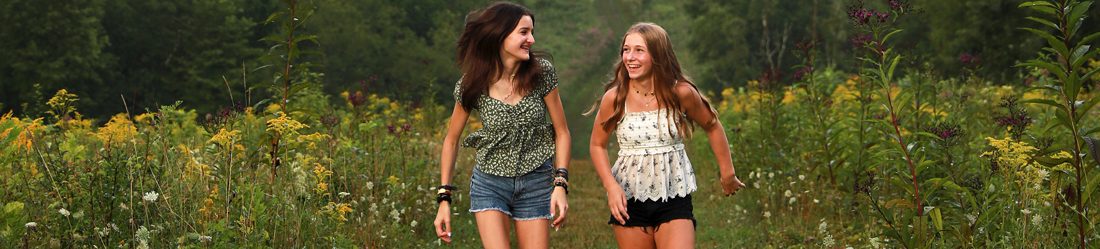
- Walking is just as beneficial, if not more so, to your mental health as it is to your physical health. Walking not only increases your heart rate, it also increases blood flow to the brain, promoting improved cognitive function. There are several sounds in nature that occur at the 528 Hz frequency, which has been proven to have healing qualities at the cellular level. If you want to level up your walk, ask a friend to join you. The quality time and conversation that occurs is like a therapy session and workout in one.
- Consistency requires willpower. Listen to your body if you need to pace yourself to avoid injury. More times than not, you are capable of doing much more than you think. Take the necessary steps to overcome excuses. When I saw that we were going to have a week with temps in the teens and below zero wind chills, I ordered snow bibs, so I could have the appropriate gear to stay warm while keeping the commitment I made to myself. Be stubborn enough to prove to yourself that you can do hard things.
- You will have misses. While the goal was to get out every day, there were times when that wasn’t feasible, no matter how tenacious I was about sticking to that goal. I missed 13 days between early January and the end of May, but didn’t miss any days from May 26th through December 31st. Give yourself grace to miss the goal and get back up and try again. There will be bumps along the way, but your overall trajectory will be up if you don’t give in.
- Have an accountability partner. For me, that was showing up on social media and regularly documenting my walking journey. I also had a few friends I would check in with. They happened to be my walking buddies when we could coordinate our schedules. Holding yourself accountable to someone else is an extra motivator to keep you going and a great way to encourage each other along the way. Without accountability, I don’t know that sheer willpower would have enabled me to stay consistent and achieve my goal.
- Little jaunts add up. By early April, I had established a healthy habit and was challenging myself to hit further distances at higher speeds. Then we got a puppy, and my whole world collided with this adorable little fluff ball that required LOTS of time and attention. I felt like a prisoner in my own home and was utterly frustrated with how long it took me to go just down the street and back with him. Then I figured out that my walks didn’t need to be all 2.73 miles at once. Do you know how many times puppies need to go out to go potty in a day? A lot. So I started logging my short walks with him, and his endurance increased with time. Now we go for 2-3 mile walks together every day, and he is a huge reason that I was able to hit this goal. He LOVES the cold and snow, and on the most bitter cold days in December, I threw on my snow bibs and got him some boots, so we could go the distance together safely and comfortably.

This morning, I met up with my dear friend and walking buddy. Once I officially hit the 1,000 mile goal, we stopped by her house before wrapping up our walk, and she grabbed a custom headband she made for me. Find yourself a friend who celebrates your victories and cheers you on in the pursuit of them.

Have you set your health goals for the new year? I challenge you to find something you can stick to for the year, and then go for it. While the numbers on the scale didn’t decrease as much as I would have liked them to with this year’s physical efforts, the mental load that I was carrying has become significantly lighter. I’m going to count that as a win. Expect there to be some hurdles and resistance along the way to achieving your goals, but don’t allow the setbacks to keep you from your comeback.
XO, Katie


